5 Min Read
Planning for the future is a growing priority for many of us, especially in beautiful areas of the country like Central New Jersey and Upper Bucks County, Pennsylvania. If you now find yourself with an empty nest and want a home you can live in for decades, you can consider aging-in-place layouts and features that support your independence in the future while maintaining a high standard of design.
Whether you are debating aging-in-place remodeling or building from the ground up with aging-in-place home plans, intentional planning and skilled construction can help ensure your home continues to serve you well for years to come. Let's look at the top 10 features for aging-in-place, with a focus on empty nesters.
In this blog, you'll see:
What Do the Best Retirement House Plans Have in Common?
What Features Are Best for Aging-in-Place?
Zero-Entry Living
Single-Level or First-Floor Primary Suites
Wider Doorways and Hallways
Aging-in-Place Bathroom Design
Open and Flexible Floor Plans
Improved Lighting and Visibility
Low-Maintenance Materials
Lever-Style Door Handles and Fixtures
Smart Home Technology for Safety and Convenience
Convenient Laundry Locations
Your Top NJ Home Builder for Aging-in-Place
Working With GTG Builders
What Do the Best Retirement House Plans Have in Common?
Retirement may be around the corner or a decade away, but the best time to start planning is now. The best retirement house plans are designed with long-term livability in mind. While architectural styles vary, successful plans consistently support aging-in-place without feeling restrictive.
What makes a home retirement-friendly? In our experience, well-designed house plans for seniors, retirement floor plans, and empty-nester house plans include:
-
Main-level or single-story living
-
Minimal steps and smooth transitions
-
Open and efficient circulation
-
Durable, low-maintenance materials
-
Flexible spaces that adapt over time
Thoughtfully designed aging-in-place house plans allow our clients to enjoy their homes today while preparing responsibly for the future. At GTG Builders, we pride ourselves on being experts in our craft, so we focus on answering the questions we hear most often.
What Features Are Best for Aging-in-Place?
Homeowners often ask us, “What features are best for aging-in-place?” The most effective homes combine safety, comfort, and long-term usability. These features work best when they are integrated during design or carefully planned as part of aging-in-place remodeling.
Below are the 10 best aging-in-place features we recommend.
1. Zero-Entry Living
What is zero-entry? Zero-entry living removes steps at entrances and throughout key areas of the home.
Benefits include:
-
Reduced risk of trips and falls
-
Easier access for all ages
-
Long-term accessibility without compromising design
This feature is a foundational element of many aging-in-place home plans. We frequently incorporate zero-entry design into house plans, particularly for empty-nester layouts and long-term retirement planning. When paired with thoughtful interior transitions, zero-entry living supports aging-in-place without making a home feel clinical or overdesigned.
2. Single-Level or First-Floor Primary Suites
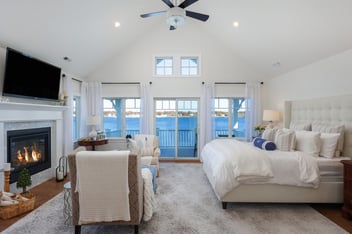
Many house plans for seniors and empty nesters are designed so that daily living occurs on one level. Locating the primary bedroom, bathroom, and laundry on the main floor reduces reliance on stairs. Even though it is not the only option, that is a big benefit of having a ranch-style home for aging-in-place.
This layout is a defining feature of well-designed retirement floor plans. When you're building the budget for your custom home or remodel, remember that investing in your primary suite means that you're investing in a location that will be uniquely yours. Keeping it on the main floor allows you to stay in that space for longer.
3. Wider Doorways and Hallways
Homes designed for aging-in-place often include wider doorways and hallways to improve circulation and provide more space.
This provides:
-
Easier movement throughout the home
-
Better flexibility for furniture placement
-
Accommodation for future mobility needs
We regularly include this feature in house plans for aging-in-place. These subtle sizing shifts allow for life changes and make everyone more comfortable in your home.
4. Aging-in-Place Bathroom Design
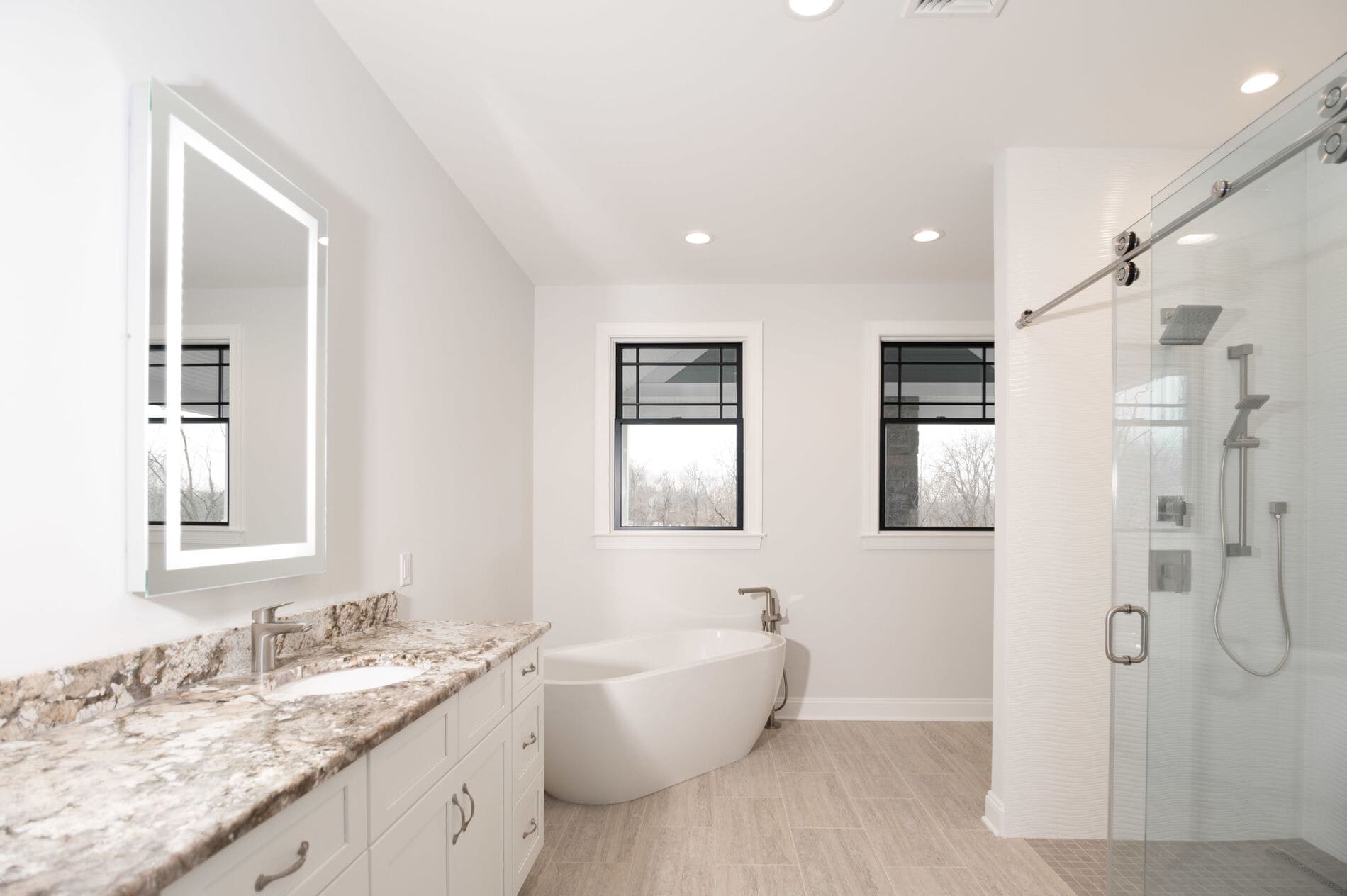
Bathrooms are one of the most important areas to address in both new construction and aging-in-place remodeling projects.
Effective bathroom design often includes:
-
Walk-in or curbless showers
-
Built-in or future-ready shower seating
-
Reinforced walls for grab bars
-
Slip-resistant flooring
These features are standard in the many aging-in-place home plans we build. However, we also focus on customization and designing your home in a way that makes sense for your specific needs and lifestyle.
5. Open and Flexible Floor Plans
Open layouts improve visibility and ease of movement while allowing spaces to adapt over time. Fewer walls and clearer sightlines make daily navigation simpler and help homes feel more comfortable as mobility needs change.
When you're planning for retirement, floor plans with flexible room layouts are especially valuable for long-term living. Spaces such as home offices, dens, or guest rooms can be easily repurposed to accommodate changing lifestyles, additional storage, or future care needs without requiring major renovations.
6. Improved Lighting and Visibility
Good lighting enhances safety and comfort throughout the home. Aging-in-place designs benefit from layered lighting that reduces shadows and glare.
Common strategies include:
Too many falls occur due to poor visibility, so adequate lighting and visibility make all the difference for anyone living alone.
7. Low-Maintenance Materials
A retirement-friendly home should be easy to maintain. Many aging-in-place home plans specify durable materials that reduce upkeep demands.
Common choices include:
These materials mean you won't have to replace them often as your home ages, so you can enjoy your home.
8. Lever-Style Door Handles and Fixtures
Lever-style door handles and fixtures are easier to operate than traditional knobs and integrate well with modern design. They require less grip strength and wrist movement, which makes everyday use more comfortable over time.
We frequently recommend these upgrades during aging-in-place remodeling projects, especially in kitchens, bathrooms, and entry doors, where ease of use matters most.
9. Smart Home Technology for Safety and Convenience
Smart home technology can support aging-in-place by improving safety and daily convenience.
Useful options include:
These features are increasingly requested in empty-nester house plans. You can stay safe at home and feel secure with this easy-to-use, integrated technology.
10. Convenient Laundry Locations
Laundry rooms located on the main level reduce physical strain and eliminate unnecessary stair use. This placement makes daily tasks safer and more manageable, especially over time.
We often incorporate main-level laundry into custom aging-in-place home plans to support long-term comfort and independence. No matter your age, having laundry facilities at a convenient location makes your life easier.
Your top NJ home builder for aging-in-place
If you're considering an aging-in-place whole home remodel, or perhaps building the perfect retirement custom home, you want a home builder you can rely on. As a trusted aging-in-place home builder, our team at GTG Builders helps homeowners plan and build spaces that support long-term comfort, safety, and independence. Our experience with aging-in-place home plans, aging-in-place remodeling, and homeowner-focused design allows us to guide you through smart decisions that reduce future modifications while preserving the look and function of your home. No matter which one of our services you use, you get the same knowledge, help finding land, and attention to detail. The timeline to building the perfect home for your retirement has already begun, and we're the local contractor that can walk you through it.
Working With GTG Builders
As an experienced and trusted custom home builder and remodeler, we work with homeowners throughout Central New Jersey and Upper Bucks County to design and build homes that support long-term living. We encourage you to review our portfolio, explore our custom home guide, and learn more about our proven process. We're here to remodel or build the home that you can spend your golden years in.
Contact Us
Contact us today to schedule a consultation or to learn more.