
5 Min Read
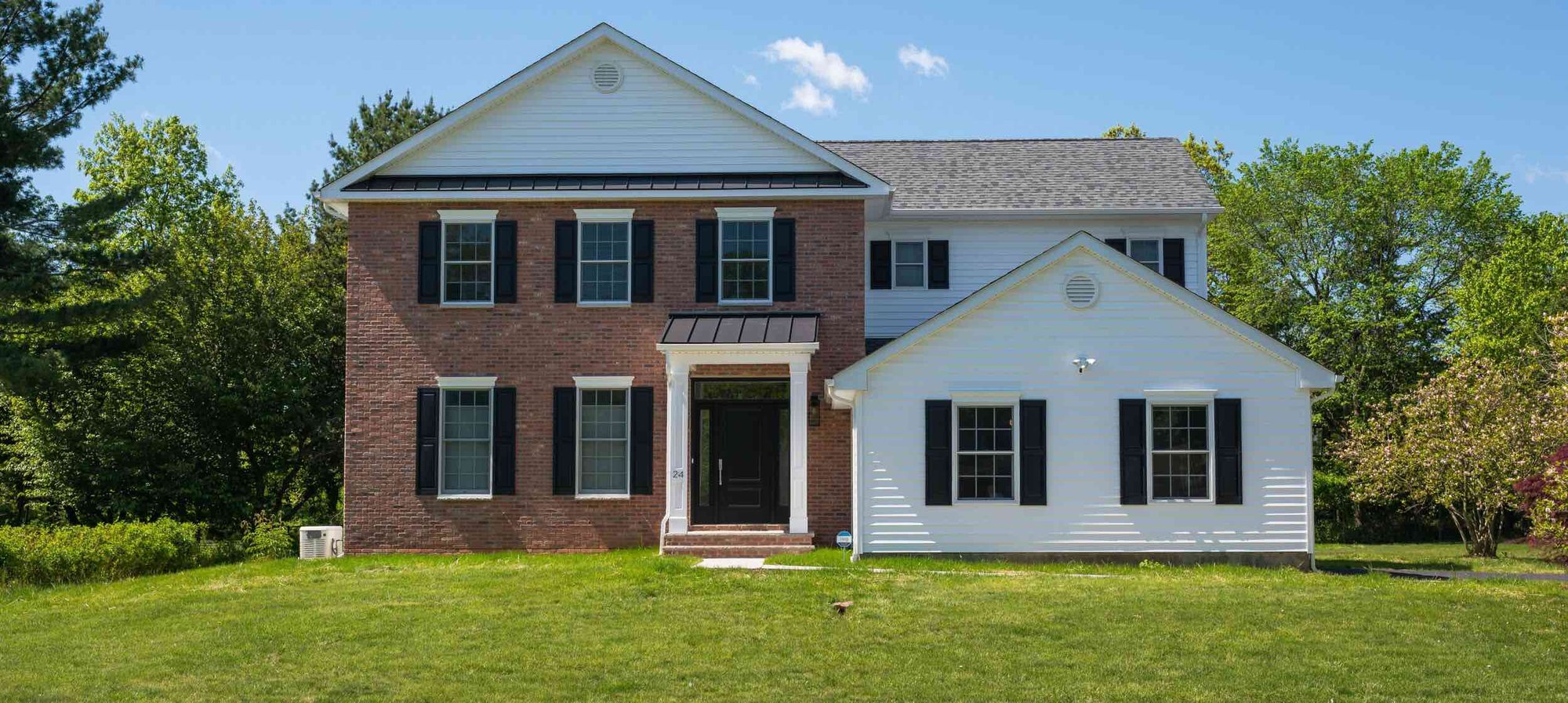
Planning a custom home in 2026 means thinking long before pouring concrete. Whether you’re dreaming of wide porches, open floor plans, or luxury finishes, the first step is building a solid financial foundation. Too many homeowners focus only on “per square foot” estimates or glossy show homes, but the reality is that land, site work, features, and material selection all move dollars fast. This guide lays out custom home budget planning tips, a practical custom home budget breakdown you can use in your custom home budget spreadsheet, and insights from an experienced New Jersey builder to help you build a custom home.
In this blog, you can expect:
Custom Home Budget Planning Tips
A Realistic Custom Home Budget Spreadsheet
Start With Realistic Cost Assumptions
Prioritize Features Early
Understand What Impacts Cost the Most
Factor in Sequencing and Timing
Communicate Regularly With Your Builder
Custom Home Budget Breakdown
The Cost of Land
The Price of Site Work
The Features You Choose
The Finishes You Select
The Scope of Your Project
New Jersey and Upper Bucks County Builder
Working With GTG Builders
Custom Home Budget Planning Tips in New Jersey
One of the biggest misconceptions when people build a custom home is that the construction contract is the total budget. In reality, a complete budget includes land acquisition, financing costs, permits, land prep, utility improvements, landscaping, and design fees. Start with a comprehensive custom home budget worksheet that includes every category, not just builder costs, and update it as you go. This will help you visualize long‑term costs and make decisions early, before designs are finalized.
1. A realistic custom home budget spreadsheet
Your custom home budget spreadsheet should be more than a simple estimate. Build it to track:
-
Actual bids versus allowances
-
Change orders and their impact
-
Contingencies for unforeseen conditions
- Soft costs (engineering, permits, design fees)
A well‑structured spreadsheet becomes your financial roadmap. It turns a vague custom home pricing number into actionable, manageable chunks that inform decisions and guard against costly surprises.
2. Start With Realistic Cost Assumptions
Knowing how to budget for a house means starting with realistic prices, not builder estimates or outdated standards. Material markets fluctuate, especially for concrete, lumber, windows, and appliances. Labor availability and wages vary regionally, and Central New Jersey has its own dynamics. Knowing your ultimate custom home budget and what you can spend is an important step. Keep in mind that most people finance their homes in order to keep more money invested. Your interest rate and the amount you will be financing also play into cost assumptions.
3. Prioritize Features Early
Part of smart custom home budget planning is identifying what truly matters to your lifestyle and long‑term value.
Ask:
-
Which features are worth it now?
-
What can wait until later?
-
Are there spaces I could design now and finish later?
Getting clear on priorities up front allows you to allocate budget where it delivers the most value and push less critical items into future upgrades without derailing the project.
4. Understand What Impacts Cost the Most
Size isn’t everything. Elements like layout, roof complexity, and site challenges can cost more than additional square feet. Even within finishes, choices like tile size, custom cabinetry, or oversized windows have both material and labor cost impacts. It’s not just what you choose, but how it goes in. Paying for skilled installation isn’t a luxury but a hedge against callbacks and corrective work.
5. Factor in Sequencing and Timing
Budget planning isn’t just numbers. Instead, think of it as a strategy. Construction pricing is seasonal in many markets. Ordering long‑lead items early and sequencing work to avoid overtime or expedited deliveries can save thousands. Your builder should help align your budget with a realistic schedule that reflects labor availability and material lead times.
6. Communicate Regularly With Your Builder
Understanding your custom home costs starts with transparency.A good builder reviews estimates line by line, explains allowances, and shows how adding or removing features affects the total. This ongoing dialogue prevents budget drift and builds trust, which is especially important when adjustments are inevitable.
Custom Home Budget Breakdown
Below is a practical custom home budget breakdown. You'll see the major categories that should be in your custom home budget spreadsheet and worksheet. If you're still debating whether you should build a house now or wait, this worksheet can give you a practical overview of your costs.
The cost of Land
Before nail guns and framing, you dealt with dirt and documents. Land is your first big cost, and it varies widely even within New Jersey. Research what land costs in New Jersey in areas you’re targeting, and proximity to transportation, schools, and utilities all affect price. You should understand average prices per acre, differences between raw land and buildable parcels, and how zoning or easement requirements affect usable space.
The price of site work
Once the land is yours, you must prepare it. Land prep includes:
-
Clearing trees and brush
-
Grading and leveling
-
Soil testing and engineering
-
Septic design or sewer connection
-
Driveway access
-
Utility hookups
These land improvement costs can be high, especially if the property has ledge, wet areas, or poor soils. A site with great views can cost more to develop than a flatter lot with less appeal, so budget for these structural necessities early.
the features you choose
Your custom home’s features, like kitchens, baths, porches, and decks, are where personality meets cost. Covered porches and decks extend living space outdoors but add framing, roofing, and finishes. Specialty windows flood space with light but are more expensive to supply and install. Knowing what features are worth it for your lifestyle helps you allocate dollars wisely.
The finishes you select
Finishes are often where homeowners feel the biggest impact. Tile, cabinetry, countertops, trim, and flooring are more than decoration; they define the quality and longevity of your home. Choose carefully:
-
A slightly more expensive tile option can significantly affect your budget, depending on the square footage.
-
Custom cabinets take longer to deliver and install than semi‑custom options.
-
Hardwood species differ widely in cost.
Keep in mind that you’re paying for both materials and the knowledge and skill of labor. Good labor paired with good materials accelerates value and reduces future maintenance.
The scope of your project
Scope refers to the overall size and complexity of your home. A ranch versus a two‑story house illustrates this well:
-
Ranch homes have a larger footprint, which can increase foundation and roof costs.
-
Two‑story homes concentrate foundation costs but require stairs and more complex mechanical layouts.
Scope also includes roof design complexity, number of bathrooms, and architectural details. More windows increase material costs and installation time, and can affect energy modeling and HVAC sizing.
Your New Jersey and Upper Bucks County Custom Builder
One of the most common questions prospective homeowners ask is, “How can you tell if your builder is being honest?” Here’s what to look for:
-
Line‑item transparency
-
Documentation of allowances versus selections
-
Regular budget updates as design and market conditions change
-
Clear explanations of cost drivers and trade‑offs
We have more tips about choosing the right custom home builder, but here is what you can expect when you work with our team.
Working With GTG Builders
When you partner with a trusted New Jersey custom builder like GTG Builders, you bring experience and discipline to your budget. With over 20 years of experience building custom homes throughout Central New Jersey, we help you plan strategically, from land selection to finish choices. Our process emphasizes safety, quality, and efficiency, and we work alongside you to protect your investment without compromising design integrity. You can take a look at our portfolio to see what caliber of work you can expect when you work with us.
Our experience and process will help you:
-
Build a realistic custom home budget
-
Choose features and finishes that deliver value
-
Navigate land costs and site challenges
- Understand pricing before you commit
Contact Us
Contact us today to schedule a consultation or get started.
![[NEW] Budget Worksheet CTA (2)](https://no-cache.hubspot.com/cta/default/4115166/interactive-180510227301.png)
.jpg?width=352&name=NP2_1486%20(1).jpg)
